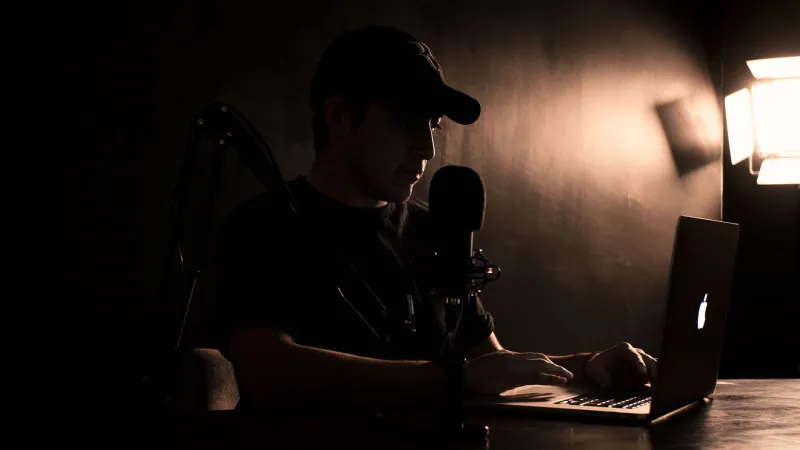
Nobody Has to Sign Off on This: The Private Moment That Changes a Creator Forever
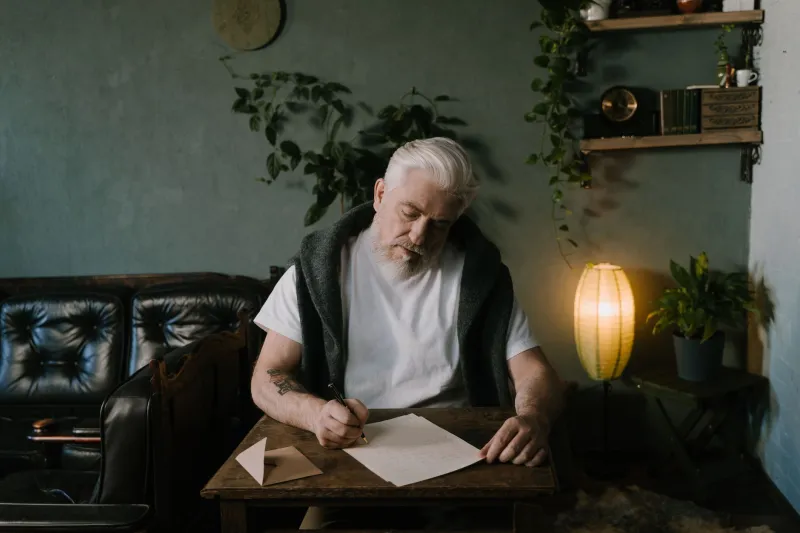
There's no ceremony for it. Nobody hands you a certificate. The room doesn't go quiet and the music doesn't swell. The moment you stop asking for permission is one of the least dramatic things that will ever happen to you — and somehow, it becomes the most defining.
It happens differently for everyone. For some creators, it arrives after one rejection too many. For others, it sneaks in during an ordinary Tuesday afternoon when they're halfway through a project and they suddenly realize they stopped caring whether anyone else approved of the direction. Either way, the shift is the same: something internal reorganizes itself, and the work that comes out the other side is never quite the same as what came before.
This isn't a piece about confidence. Confidence is overrated, honestly — plenty of insecure people have made extraordinary things. This is about something quieter and more specific: the moment you recognize that external validation was never the point, and that waiting for it was costing you something you can't get back.
The Approval Loop Nobody Warns You About
When you start out as a creator, asking for feedback feels like the responsible thing to do. You share drafts. You float ideas in rooms full of people who seem to know more than you. You revise based on what lands and what doesn't. That process has real value — early in a creative career, other people's perspectives can sharpen your instincts and keep you from disappearing into your own blind spots.
But somewhere along the way, for a lot of creators, the feedback loop stops being a tool and starts being a dependency. You're not sharing work to refine it anymore. You're sharing it to find out whether you're allowed to believe in it. That's a different thing entirely.
Singer-songwriter Phoebe Bridgers has talked in interviews about the experience of making her debut album largely outside the traditional industry machine — not because she was trying to make a statement, but because the work demanded a certain kind of quiet that approval-seeking would have destroyed. The album that came out of that process, Stranger in the Alps, didn't arrive with a major label's blessing or a carefully managed rollout. It arrived honest, and audiences felt that immediately.
That's not a coincidence. Work made without a permission structure tends to carry a different kind of weight.
Why the Shift Is So Hard to Make
Here's the psychological reality that most creative advice glosses over: seeking external validation isn't weakness. It's wiring. Human beings are social animals, and the desire to have your work recognized and affirmed by others is deeply, evolutionarily normal. Framing it as something you just need to "get over" misses the point entirely.
What actually has to happen is more nuanced. You don't stop caring what people think. You stop letting what people think determine what you make.
That distinction matters because it preserves the relational part of creativity — the part that keeps your work connected to an audience — while removing the part that was quietly strangling your instincts. You can still want people to respond to what you've made. You just can't let that want live upstream of the creative decisions themselves.
Filmmaker Barry Jenkins, in various conversations about his process, has described a version of this when talking about Moonlight. The film broke from conventional narrative structure, resisted easy emotional resolution, and was built around a protagonist whose interiority was more important than his dialogue. None of those choices were safe ones. All of them required Jenkins to trust something the approval-seeking part of his brain would have talked him out of.
The film won the Academy Award for Best Picture. More importantly, it told a story that needed telling in the exact way it needed to be told.
What the Moment Actually Feels Like
People who've crossed this threshold tend to describe it less as a surge of confidence and more as a kind of quiet settling. The noise gets softer. Not the noise of the world — your inbox, your critics, your well-meaning friends with opinions — but the internal noise. The constant hum of is this okay, does this work, will they get it drops to a register you can actually live with.
And then you make something.
It might not be the best thing you've ever made. The first work that comes out of genuine creative autonomy is sometimes messy, sometimes overreaching, sometimes both. That's fine. What it is, almost without exception, is yours in a way that the approval-dependent work never quite managed to be.
Writer Ta-Nehisi Coates has described his early career as a long negotiation between what he actually thought and what he believed he was allowed to say publicly. The shift that produced Between the World and Me — a book structured as a letter to his son, intimate and unguarded in ways that conventional nonfiction rarely allows itself to be — came from somewhere that had nothing to do with market research or editorial consensus. It came from a private reckoning with what the work actually needed to be.
That's the texture of the moment. It's a reckoning, not a revelation.
Recognizing It When It Arrives
The tricky part is that this shift can look like a lot of different things from the outside. Sometimes it looks like stubbornness. Sometimes it looks like confidence. Sometimes it looks like someone who's finally stopped caring — which isn't right either, but it's close enough to be confusing.
From the inside, here's what to watch for: you'll notice that the imaginary audience in your head gets quieter. The one you've been performing for, the one you've been preemptively defending your choices to — it steps back. Not forever, not completely, but enough that you can hear yourself think.
You'll also notice that the work moves differently. Decisions that used to require a committee in your own mind start resolving faster. Not because you've stopped thinking carefully, but because you've stopped negotiating with people who aren't in the room.
And eventually, you'll finish something and sit with it before anyone else sees it, and you'll know — not perfectly, not without doubt, but know — that it's what it was supposed to be. That moment, that private knowledge before the world gets a vote, is the whole thing.
The Work That Comes After
This isn't an argument for ignoring feedback or working in total isolation. Collaboration has produced some of the most extraordinary creative work in American culture, and good editors, trusted collaborators, and honest audiences are genuinely valuable. None of that changes.
What changes is the sequence. When you've made the internal shift, feedback becomes something you seek after you've committed to the work's essential truth — not before, and not instead of. You're refining something real rather than searching for permission to make it real in the first place.
That's the difference between a creator who lasts and one who's always waiting for the next sign that they're on the right track. The ones who last figured out, at some point in some private moment, that the sign was never coming from outside.
It was always going to have to come from them.