7 Questions You Need to Answer Before Your Next Creative Project Goes Public
Before You Ship Anything, Read This
Here's a hard truth about the entertainment industry: the graveyard of "almost" is enormous. Albums that got made but never connected. Films that got finished but never found an audience. Channels that launched with energy and faded within three months. In most of those cases, the problem wasn't talent. It wasn't even effort. It was that nobody stopped to ask the right questions before the thing went out into the world.
This checklist exists to change that. These seven questions aren't about second-guessing your creative instincts — they're about sharpening them. Work through each one honestly, and you'll go into your launch with a clarity that most creators never bother to find.
1. Why Does This Project Need to Exist?
Not "why do I want to make it" — that's a different question. This one is harder. What gap does this fill? What conversation does it start or join? What would be missing from the world if this project never happened?
When Issa Rae started Awkward Black Girl on YouTube back in 2011, she wasn't just making a web series because she liked making stuff. She was filling a specific void — the near-total absence of Black women leads in relatable, everyday comedy. That clarity of purpose drove every creative decision and eventually led to Insecure on HBO. Purpose isn't just philosophical. It's practical.
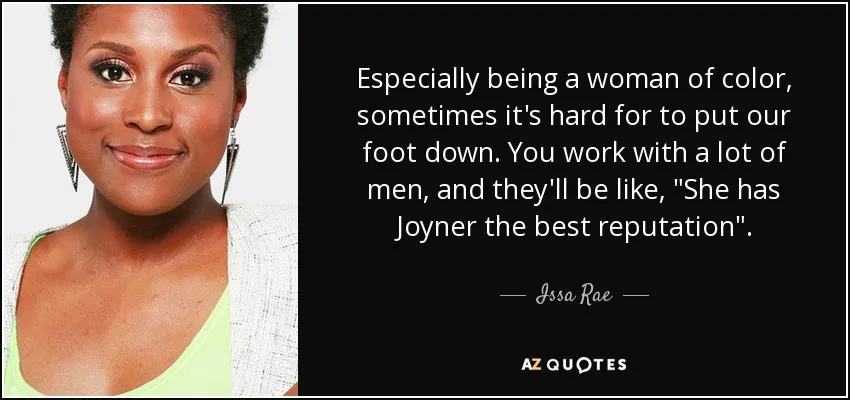 Photo: Issa Rae, via www.azquotes.com
If you can't answer why your project needs to exist, audiences won't be able to either.
2. Who Is This Actually For?
Be specific. Not "music lovers" or "film fans" or "people who like good content." Who is the actual human being you're making this for? What do they care about? Where do they spend their time online? What are they currently consuming that's adjacent to what you're building?
When Mitski started releasing records, she wasn't chasing mainstream radio. She was making music for a very specific emotional experience — the particular loneliness of being a young woman of color navigating American culture. Her audience found her because she was clearly making something for them, not for a demographic spreadsheet. She now sells out theaters nationwide.
 Photo: Mitski, via cdn.akamai.steamstatic.com
Knowing your audience isn't a limitation on your art. It's how your art finds the people who need it.
3. What's the One Thing You Want People to Walk Away With?
One thing. Not five, not a mood board, not a vibe. One clear emotional or intellectual experience that you want your audience to carry with them after they've engaged with your work.
Christopher Nolan has talked about how every film he makes is built around a single central idea — time in Interstellar, memory in Memento, legacy in Oppenheimer. Everything else serves that core. When you don't have a central takeaway, projects become scattered. They do a lot of things adequately instead of one thing memorably.
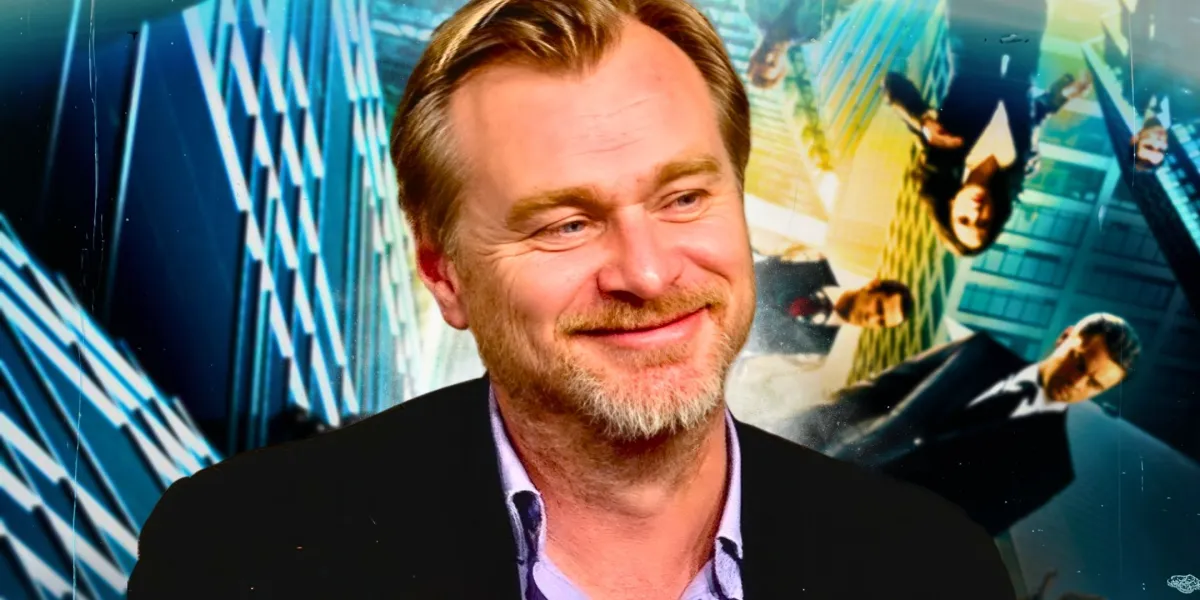 Photo: Christopher Nolan, via static1.srcdn.com
Write it down in one sentence. If you can't, keep working on it.
4. What Makes This Genuinely Different?
This isn't about being contrarian for its own sake. It's about honest market awareness. What's already out there in your space, and how does your project offer something distinct — not just in style, but in substance?
When Serial launched in 2014, it wasn't the first true crime podcast. But it was the first to apply long-form investigative journalism to the format with serious production values and a genuinely unresolved central mystery. That specific combination hadn't been done. It became one of the most downloaded podcasts in history.
You don't need to reinvent the wheel. But you do need to know why your wheel is worth riding.
5. Are You Solving a Problem or Creating One?
Every project introduces friction into someone's life — it asks for their time, their attention, sometimes their money. The question is whether you're giving them something that justifies that ask.
This is where a lot of passion projects go sideways. The creator is so excited about what they've made that they forget to ask whether anyone on the receiving end actually benefits. Does your project entertain, educate, challenge, comfort, inspire, or provoke? If the honest answer is "it mostly satisfies something I needed to express" — that's valid, but it's a different kind of project than one built to serve an audience.
Both are legitimate. But knowing which one you're making shapes every decision that follows.
6. How Will People Find This?
Distribution is not a dirty word. It's not the opposite of art. It's the thing that determines whether your art reaches anyone at all.
Too many creators put months into making something and about forty-eight hours into figuring out how it gets seen. Think through the full picture before you launch: What platforms make sense for this specific project? Do you have an existing audience to seed it with, or are you building from scratch? Is there a community — a subreddit, a genre fanbase, a regional scene — that would naturally connect with what you're making?
Kendrick Lamar's To Pimp a Butterfly didn't just drop and hope for the best. It was seeded with careful rollout strategy, press access, and a cultural moment that had been building for years. The art was extraordinary. The distribution was intentional. Both mattered.
7. Are You Ready for the Response — Good or Bad?
This one is less strategic and more personal, but it might be the most important question on the list.
Putting real creative work into the world is genuinely vulnerable. Even when it goes well, the response is often unexpected — misread, misquoted, taken in directions you didn't intend. When it doesn't go as planned, the silence or the criticism can hit in ways you're not prepared for.
This isn't a reason not to launch. It's a reason to go in clear-eyed. Have you thought about how you'll handle negative feedback? Do you have a support system? Are you emotionally prepared to separate your worth as a person from the reception of the project?
The creators who sustain long careers aren't the ones who never fail. They're the ones who had the psychological foundation to keep going when things didn't land the way they hoped.
The Checklist Is a Starting Point, Not a Guarantee
No amount of strategic thinking eliminates the uncertainty of making something and putting it out there. That uncertainty is kind of the whole point — it's what makes creative work feel alive.
But walking into your next project with honest answers to these seven questions? That's the difference between bold, intentional work and another well-meaning release that quietly disappears. Ask the hard questions now. The work will be better for it.