Why the Most Honest Creators Are Winning the Attention War in American Entertainment
The Myth of the Perfect Package
For a long time, the conventional wisdom in American entertainment was pretty straightforward: polish everything, appeal to everyone, and keep the messy personal stuff out of it. Labels wanted radio-ready singles. Studios wanted bankable concepts. Social media managers wanted clean, consistent brand aesthetics. And for a while, that formula worked.
But something shifted. Somewhere between the rise of podcasting, the explosion of independent film, and a global pandemic that forced everyone to slow down and actually feel things, audiences started voting differently with their attention. They stopped rewarding the glossy and started gravitating toward the genuine.
The polished-but-hollow content machine didn't disappear — it just stopped being the only path forward. And the creators who figured that out early? They're the ones building the most durable careers right now.
Real Stories, Real Loyalty
Take Brené Brown, for instance. She's not a musician or a filmmaker, but her 2010 TED Talk on vulnerability became one of the most-watched in the platform's history, eventually racking up tens of millions of views. She didn't pitch a slick concept. She stood at a podium and talked about a nervous breakdown. She called herself a "researcher-storyteller" and admitted things that most professionals would never say out loud in a professional setting. The result? A fiercely loyal audience that followed her across books, Netflix specials, and podcasts.
Or look at Bo Burnham. His 2021 Netflix special Inside was filmed entirely alone in a room during lockdown. No audience. No glam squad. Just a guy processing anxiety, depression, and creative paralysis in real time — and turning it into one of the most critically acclaimed comedy specials in recent memory. It won three Emmy Awards and sparked genuine cultural conversation because it felt like something that actually happened to a real human being.
 Photo: Bo Burnham, via siol.net
These aren't flukes. They're data points.
Specificity Is the Secret
Here's the thing that trips up a lot of aspiring creatives: they think "authentic" means raw or unfiltered. It doesn't. Authenticity in storytelling is really about specificity — the willingness to go deep into your own particular experience rather than reaching for the universal.
When Taylor Swift writes a song about a specific relationship, a specific moment, a specific emotional texture she remembers from being 19 years old, millions of people feel like she's writing about them. That's not an accident. The more specific the detail, the more universally it lands. Vague emotional gestures — "I was sad," "it was hard," "I found my way" — give audiences nothing to hold onto. But "I had the time of my life fighting dragons with you" or a lyric about a specific scarf? That sticks.
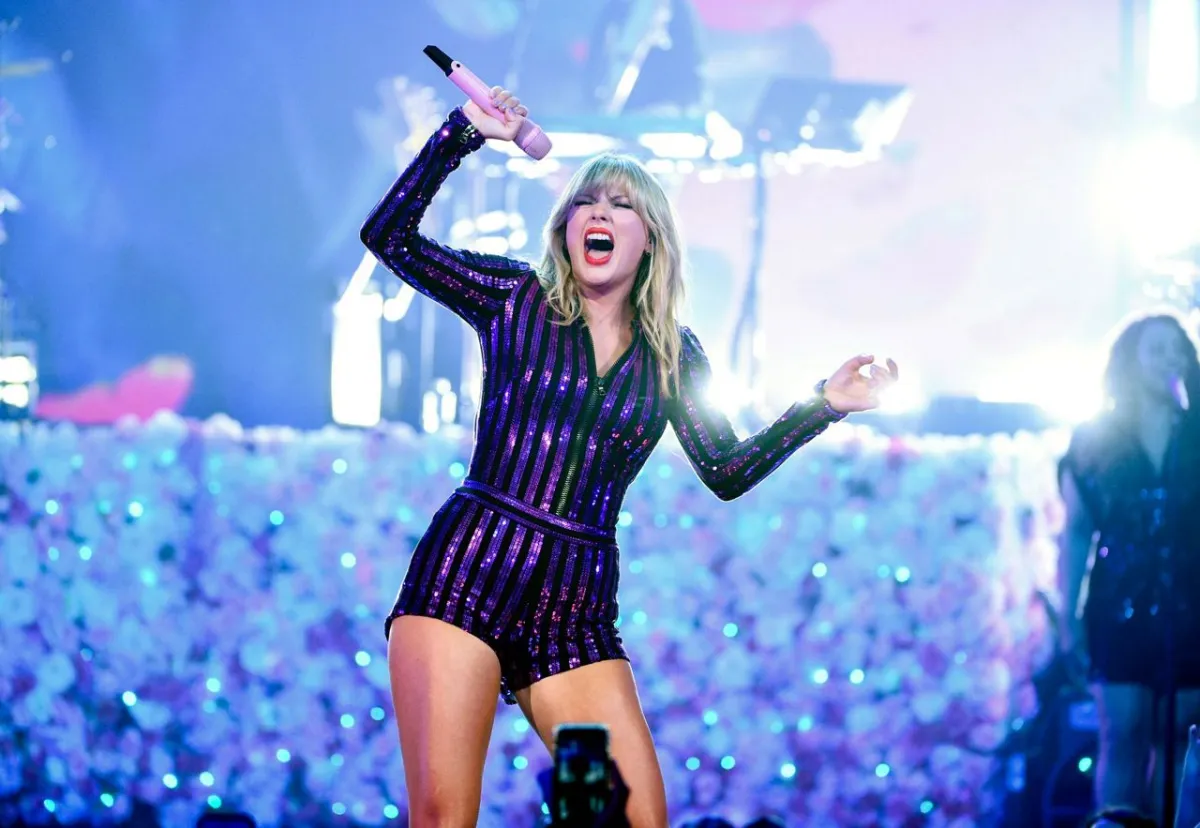 Photo: Taylor Swift, via s7d2.scene7.com
The same principle applies in film, podcasting, YouTube, digital media — anywhere stories are told. The creators who go narrow and deep consistently outperform the ones who try to be everything to everyone.
Why Hollow Content Is Losing Ground
The algorithm shift is real, but it's not the whole story. Yes, platforms like TikTok and YouTube increasingly reward engagement over reach, and genuine emotional resonance drives engagement better than manufactured virality. But the deeper reason authentic content is winning is simpler: audiences are exhausted.
American media consumers are smarter and more media-literate than they've ever been. They've seen enough branded content, enough influencer scripting, enough "inspirational" stories that feel like they were written by a committee, to recognize the hollow stuff on sight. Trust is the scarcest commodity in entertainment right now, and the only reliable way to earn it is to actually be honest.
Creators who lead with genuine personal narrative — even when it's uncomfortable, even when it's niche, even when it doesn't fit a clean pitch — are building the kind of trust that converts casual viewers into devoted communities.
Finding Your Own Authentic Voice: A Few Starting Points
If you're a creative trying to figure out where your authentic voice actually lives, here are some places to start digging:
Go back to the thing that made you weird. What's the obsession, the experience, the perspective that you've always felt slightly self-conscious about? That's usually where the gold is. The specific thing that makes you you — not the version of you that sounds good in a bio.
Stop trying to write for everyone. Pick a person. One specific person who would truly get what you're making. Write for them. Make it for them. When you try to appeal to a mass audience, you end up speaking to no one in particular.
Tell the story you'd be nervous to tell. Not recklessly, not without craft — but the projects that scare you a little are almost always the ones worth making. Discomfort is usually a sign you're getting close to something real.
Resist the urge to resolve too quickly. Authentic storytelling lives in the mess, the ambiguity, the unfinished feeling. If your story wraps up too neatly, ask yourself whether you're actually being honest or just performing resolution.
The Long Game
Building a creative career on authentic storytelling isn't the fastest path. It won't always go viral. It won't always fit neatly into a trend cycle. But it builds something that manufactured content never can: a real relationship with a real audience.
The creators who are thriving right now — the podcasters with passionate listener bases, the indie filmmakers with cult followings, the musicians who sell out mid-sized venues on the strength of word-of-mouth alone — most of them didn't get there by chasing the formula. They got there by doubling down on the specific, honest, sometimes uncomfortable truth of who they are and what they actually have to say.
In a crowded market, that's not just an artistic choice. It's the smartest strategic move you can make.